 English




The First Vietnam-Japan Local Cooperation Forum, entitled “Walking Together for Holistic Development, Shaping a Resilient Future,” will take place in Quang Ninh on November 25, 2025, and will officially launch a new chapter in bilateral relations. The forum brought together approximately 50 communities from Vietnam and Japan, as well as officials from enterprises and socioeconomic groups, making it the largest local cooperation event ever organized between the two countries.
Dr. Nguyen Dang Minh, Founding Chairman of MIV Finest Management Technology and Chairman of GKM Group and GKM Japan, and Dr. Nguyen Dang Toan, Director of GKM EDU, attended the forum at the invitation of the Organizing Committee and with information support from the Vietnam-Japan Friendship Association in Tokyo, to contribute and share so that Vietnam-Japan cooperation can grow in breadth and depth.
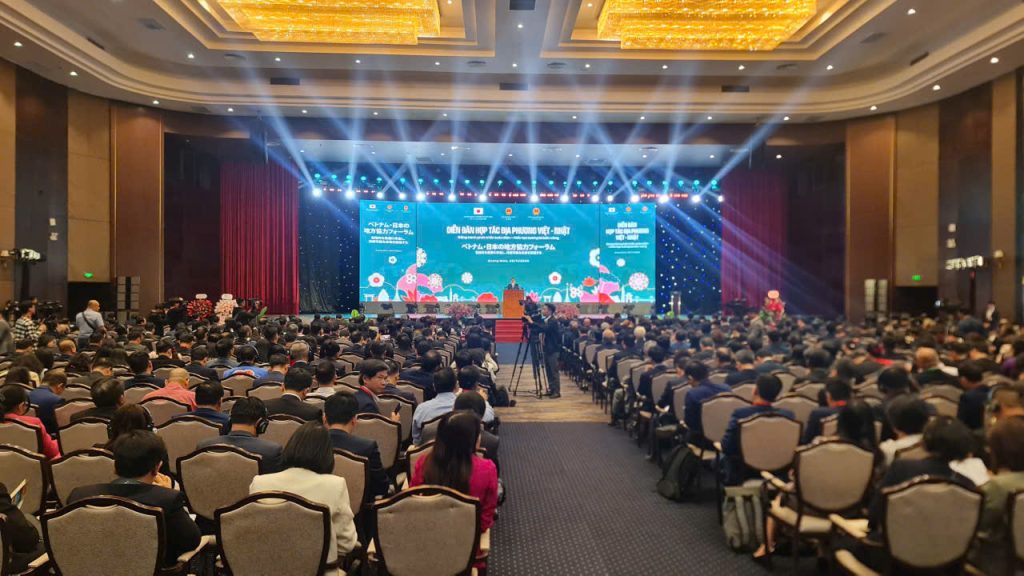
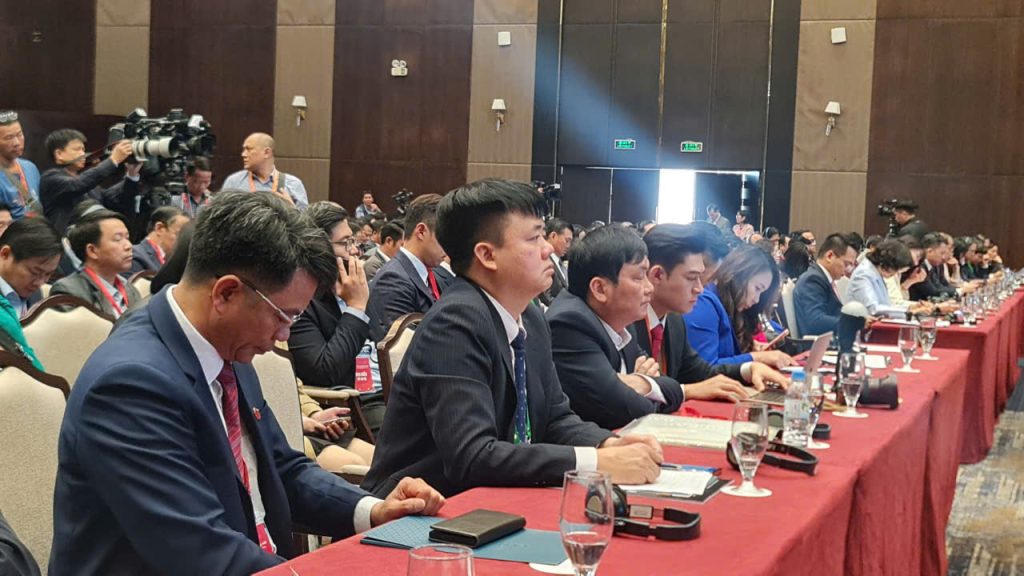
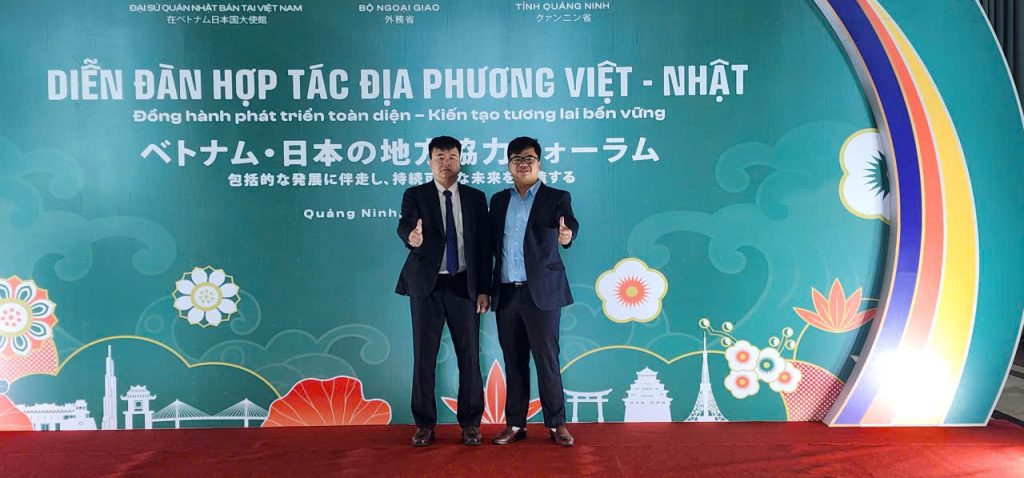
Assoc. Prof. Dr. Nguyen Dang Minh and Dr. Nguyen Dang Toan, who represent GKM Group and GKM Japan, attended the plenary session of the First Vietnam-Japan Local Cooperation Forum in Quang Ninh.
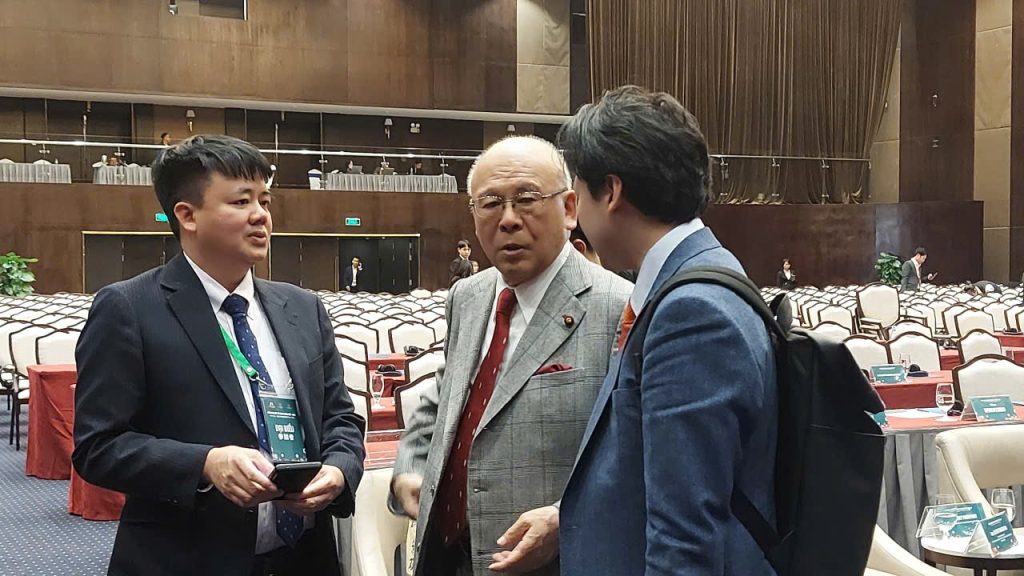
Dr. Nguyen Dang Minh discusses the Vietnam-Japan Business Cooperation 2.0 model, which was previously presented in Tokyo (“Building the Vietnam-Japan Business Cooperation 2.0 Model From Theory to Practical Implementation,” GKM Finest) with Mr. Takebe Tsutomu, Special Advisor to the Japan-Vietnam Parliamentary Friendship Alliance.
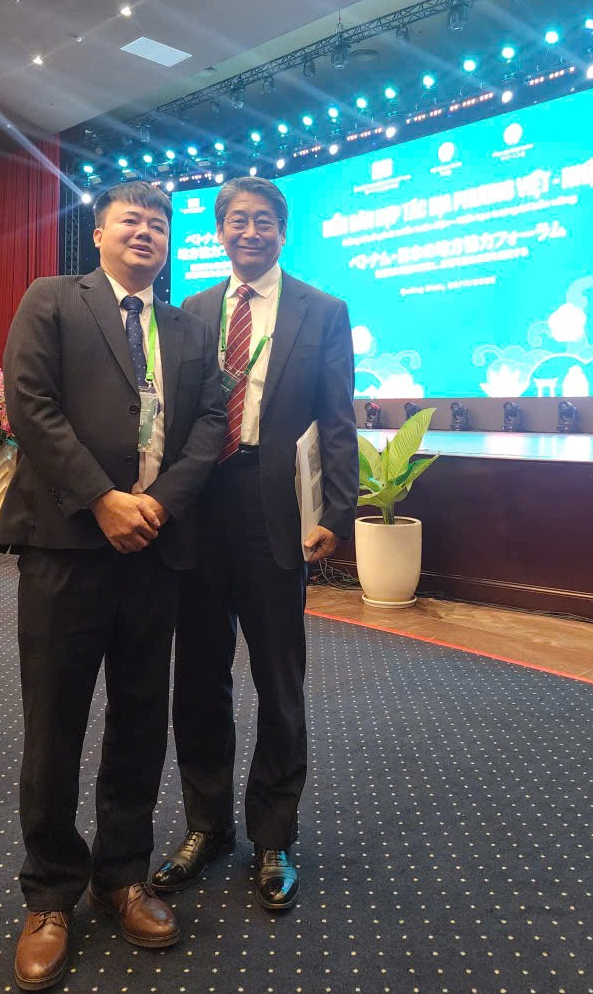
Dr. Nguyen Dang Minh discusses GKM’s Vietnam-Japan Business Cooperation 2.0 model with Mr. Ito Naoki, the Ambassador of Japan to Vietnam.
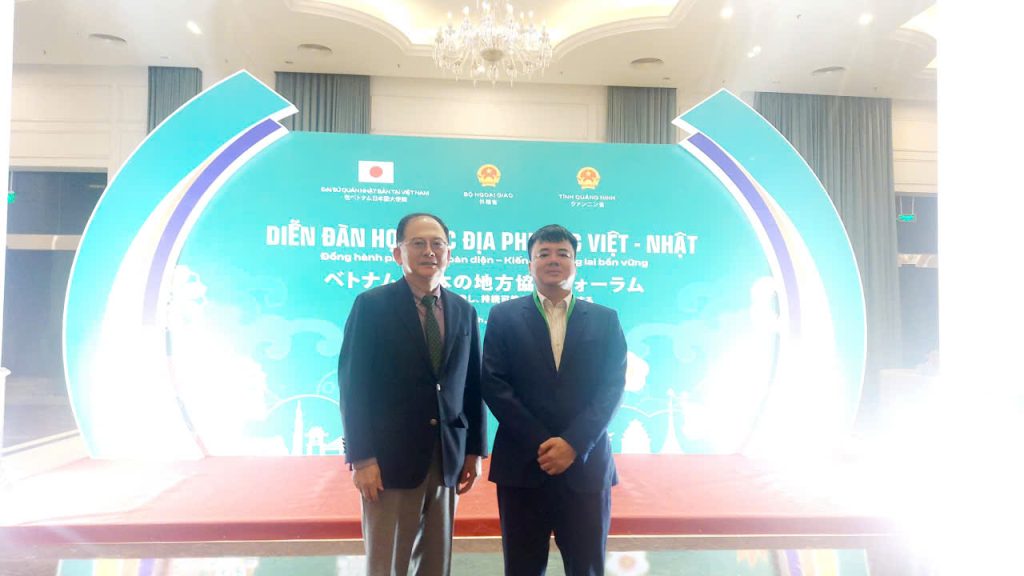
Dr. Nguyen Dang Minh and Mr. Tsuno Motonori, the former JICA Chief Representative in Vietnam, discuss the evolution of the Vietnam-Japan Business Cooperation 2.0 concept.
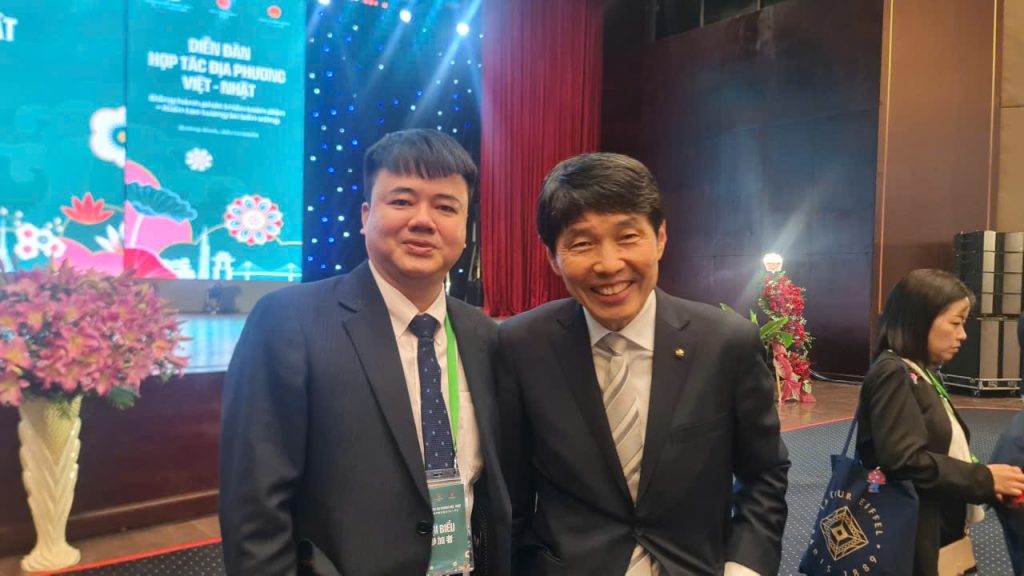
Dr. Nguyen Dang Minh discusses Vietnam’s agricultural and tourism prospects with Governor Yamamoto Ichita of Gunma Prefecture, Japan.
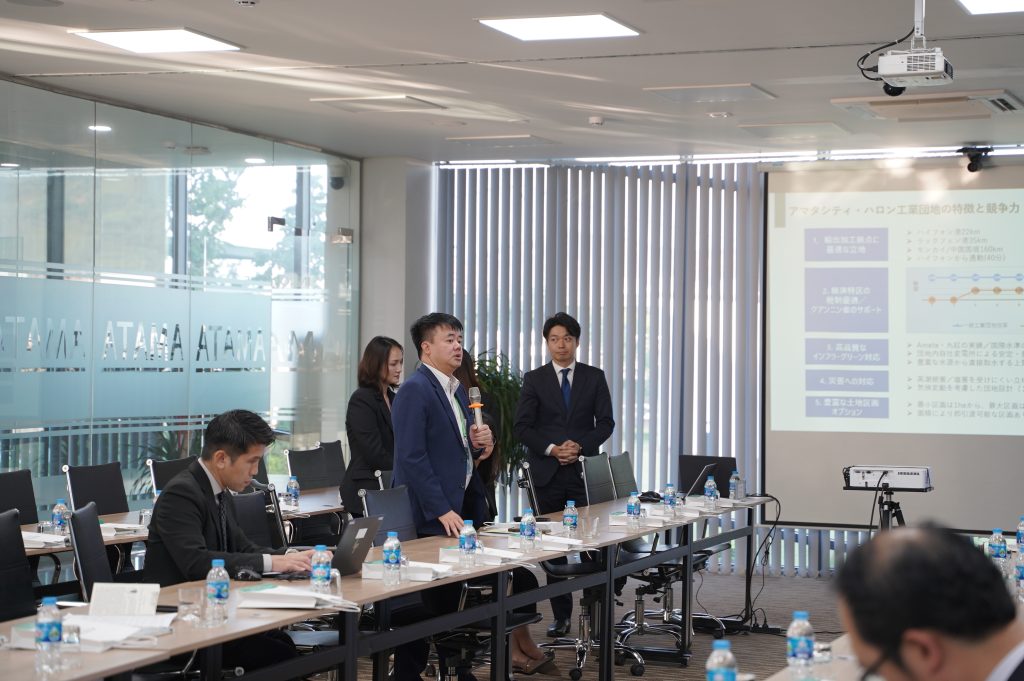
Dr. Nguyen Dang Minh takes part in an investment promotion program for industrial park development at ATAMA Quang Ninh, presenting Vietnam-Japan collaboration solutions to go beyond the 1.0 model and gradually advance to the 2.0 model.
For more than 30 years, most Vietnam-Japan collaboration models have operated under the “Cooperation 1.0” framework: Japan has taken on the role of “teacher,” introducing technology, capital, and management techniques; Vietnam has performed the role of “apprentice,” providing low-cost labor, infrastructure, and investment incentives.
In In reality, the 1.0 model has contributed to industrial growth, but it also has drawbacks: it is challenging to disseminate management skills widely and establish a lasting, equitable foundation; applying TPS and Japanese management methods outside of Toyota and Japan does not always yield positive results; and organizations frequently encounter a “glass ceiling” that limits productivity and growth.
Dr. Nguyen Dang Minh, Chairman of GKM Group, who attended the forum, emphasized that the symposium is more than just a foreign affairs event; it is a historic opportunity to elevate the Vietnam-Japan Cooperation 2.0 Model from the level of corporate management theory to the level of local cooperation—linking government, business, education, and community on a shared “Made in Vietnam Creative Gene” basis. The Vietnam-Japan Business Cooperation 2.0 Model celebrates an important anniversary: it no longer involves one party transmitting information and the other receiving it in a one-way fashion. Instead, Vietnamese and Japanese partners are collaborating on a shared platform known as the MIV Finest Management & Education Gene System. Vietnamese partners contribute creative Tam The and the finest management skills, while Japanese partners provide technology, discipline, and experience. Both parties have a common understanding of management principles, which has led to the adoption of TPS methods such as 5S/Kaizen in both local and corporate environments.
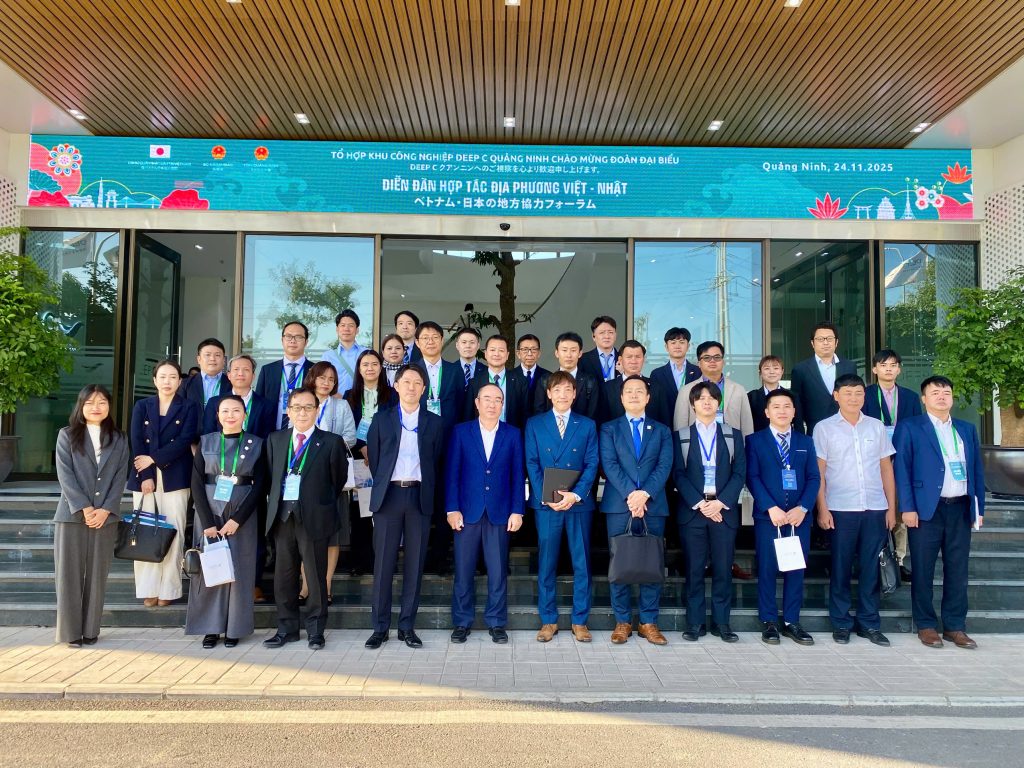
Dr. Nguyen Dang Minh and Dr. Nguyen Dang Toan of GKM Group attended the Vietnam-Japan Local Cooperation Forum at the DEEP-C Quang Ninh industrial complex to bring the Cooperation 2.0 model to the local level.
When we bring the Cooperation 2.0 concept down to the local level, we are talking about gene-level cooperation—deep collaboration in Tam The, soft institutions, and operating patterns between Vietnamese provinces/cities and Japanese prefectures/cities.
Dr. Nguyen Dang Minh believes that the Vietnam-Japan Local Cooperation 2.0 Model should start with the fundamental layer, which is the Tam The Gene System applied to localities: “Develop good people before building big projects.”
A suitable Tam The key to achieving resilient growth is to view Vietnam-Japan cooperation as a journey where both parties win, learn, and take pride, rather than seeing it as a short-term opportunity to “take advantage.”
Vietnamese localities should adopt a proactive approach by collaborating with Japan not only to “ask for projects” but also to co-create sustainable development models that benefit them.
Once the Tam The Gene layer is in place, every agreement, memorandum of collaboration, and project gains actual depth, avoiding the situation of “cooperation on the outside, formality on the inside.” Cooperation 2.0 is not limited to a single sector or a few scattered projects; rather, it seeks to develop core sectors in which Vietnam has a competitive advantage and can create the most value not only for Vietnam and Japan, but for humanity as a whole: education, industry, agriculture, tourism, and healthcare. These core sectors will be explored and developed in ways that are tailored to the unique circumstances of each locality:
Education: The goal is to create decent individuals who possess a positive Tam The and strong talents, serving as the foundation for collaboration under the 2.0 paradigm.
Industry: In addition to engaging in global supply chains, businesses must develop into key leaders in their fields. Vietnam may fully become an industrial R&D hub, and Japan can use its technological resources to conduct research there.
Agriculture: Incorporate the spirit of the Five Core Values into agricultural products—”clean in every seed, conscientious in every operational step.” Vietnamese businesses can actively pursue technology from Japanese partners, supported by organizations in both countries, to meet the Five Standards and deliver high-quality agricultural products to Japanese consumers.
Tourism: Create heritage tourism, community-based tourism, and wellness tourism products that connect local Vietnamese destinations with Japanese travel routes, resulting in MBV (Made in Vietnam) core tourism value chains while also preserving heritage and spreading cultural values from both countries.
Healthcare and Wellness: Work together to develop innovative healthcare models that benefit local inhabitants while also attracting international visitors.
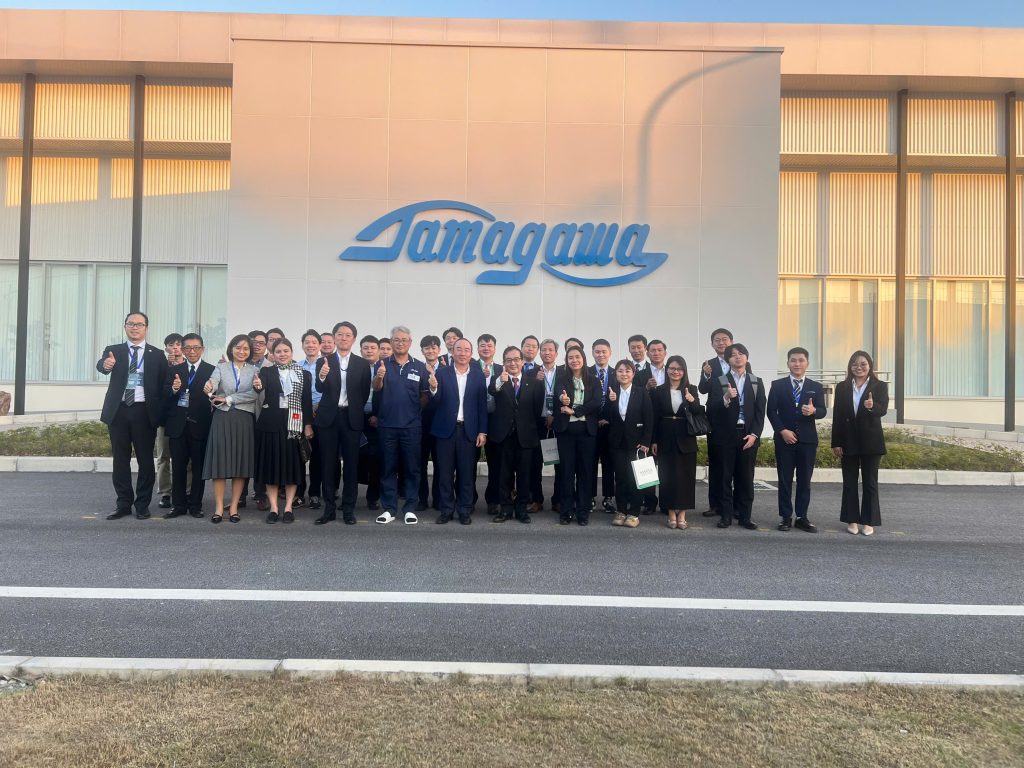
Develop core MBV (Made in Vietnam) businesses to facilitate visits, mutual learning, and collaboration between Japanese and Vietnamese communities in order to create new cooperation chains.
Only when key businesses and local leaders in both Vietnam and Japan truly grasp the idea of cooperation that focuses on creating shared benefits will local partnerships move beyond just formalities and turn into a process of improving management practices across different areas, leading to strong growth for both countries.
The Vietnam-Japan Local Cooperation 2.0 Model is more than simply a concept. It is a road map created by Vietnamese intellect in collaboration with Japan to co-create a resilient and sustainable future for every community, business, and individual.
GKM News: November 2025