 English




THE INTERSECTION OF KNOWLEDGE STREAMS IN THE NEW ERA
The world is entering a volatile era where traditional management models face new contemporary challenges, such as supply chain disruptions, generational transfer challenges, and the need to connect people in a rapidly changing digital technology environment. Even in developed economies like Japan, finding a management system that harmonizes economic efficiency and humanistic values is a profound research focus for scholars.
In that context, the 5 day practical working visit of two leading prestigious scholars from Japan to the GKM Finest Management Institute carries special significance. They are Professor Hironaka Chikako, Professor at the School of Policy Studies (Economics) at Chukyo University, and Professor Toyama Kyoji, Professor at the College of Economics at Rikkyo University. The presence of such erudite intellectuals with profound expertise in strategy, economics, and organizational structure from top prestigious Japanese universities demonstrated the stature of this convergence.
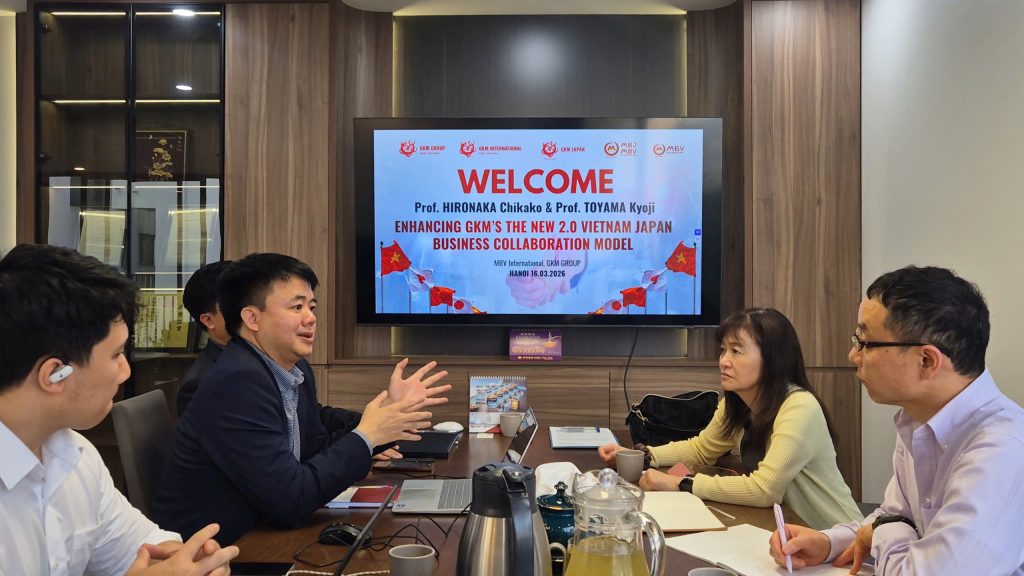
Notably, for Professor Hironaka Chikako, this was a journey of inheritance and continuation of dedication. Previously, in August 2025, she visited Vietnam to survey and was truly amazed by the comprehensive transformation of enterprises applying GKM’s Management Technology. The rapid transformation, breaking through all “glass ceilings” of Vietnamese enterprises during her previous visit, urged her to return. This time, accompanied by Professor Toyama Kyoji, they delved deeper to decode the management “black box” named the GKM Gene System.
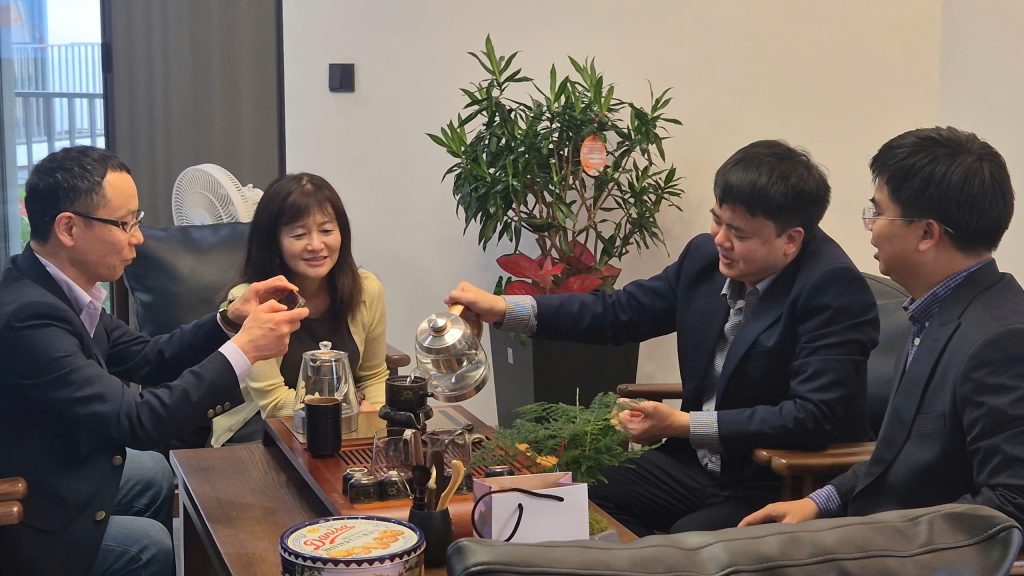
This was an opportunity for the two cultures to exchange, share, and deeply understand the Made in Vietnam Finest Management Technology (MIV), a management solution distilled from Vietnamese reality, taking “Tam The” as its foundation, aimed at solving the common challenges of global enterprises.
The visit was not just an academic diplomatic event but also marked a proud turning point for Vietnamese intellect: From mainly absorbing international experience, we are gradually contributing systematic management knowledge, properly accompanying international experts to create sustainable development
AT GKM HEADQUARTERS, TOWARDS THE 2.0 COLLABORATION MODEL AND RESPECT FOR ORIGINAL KNOWLEDGE
The first working day at GKM Group Headquarters (Khai Son City, Hanoi) opened with open discussions on the context of Vietnam & Japan economic cooperation
Elevating cooperation with the Bilateral Collaboration Model 2.0
For decades, capital and technology support from Japan has made a tremendous contribution to the Vietnamese economy. However, facing the demands of sustainable development, Assoc. Prof. Dr. Nguyen Dang Minh and the Professors shared a common perspective: The cooperative relationship needs to be upgraded to a new height, identified by GKM as the Bilateral Collaboration Model 2.0 (New International Business Collaboration 2.0)
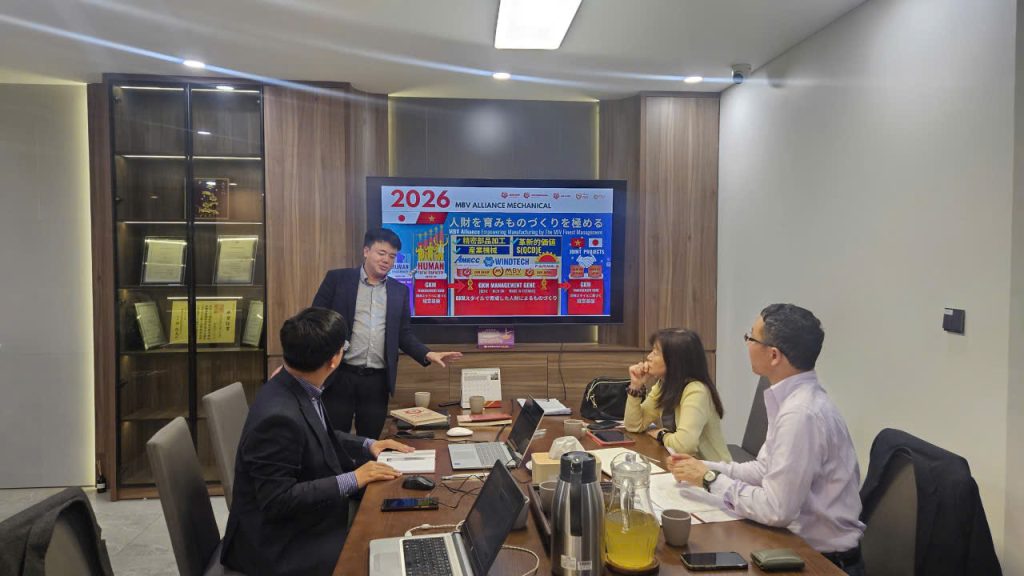
In this model, cooperation aims to resonate the strengths of both nations on a platform of equality and mutual respect. Vietnam, through The MIV Finest Management Technology platform and a workforce with a Good Tam The, can proactively support, receive, and maximize the effectiveness of advanced technical and disciplinary tools from Japan. This role division and synergy help utilize resources effectively, closing the value chain to co create exquisite products and services bearing the “Made by Vietnam” and “Made by Japan” brands
Establishing a transparent academic space with the Intellectual Property Commitment
The landmark legal and academic highlight on the first day was the signing of the Memorandum of Understanding (MOU) on Intellectual Property Rights between GKM and the Japanese Professors
In the international research and business environment, establishing a transparent cooperation mechanism is a prerequisite. The MOU was signed in the spirit of respecting the “Five Universal Core Values” and the “Good*Good” principle. The core purpose of this document is not a barrier, but a consensus mechanism to protect the originality of knowledge
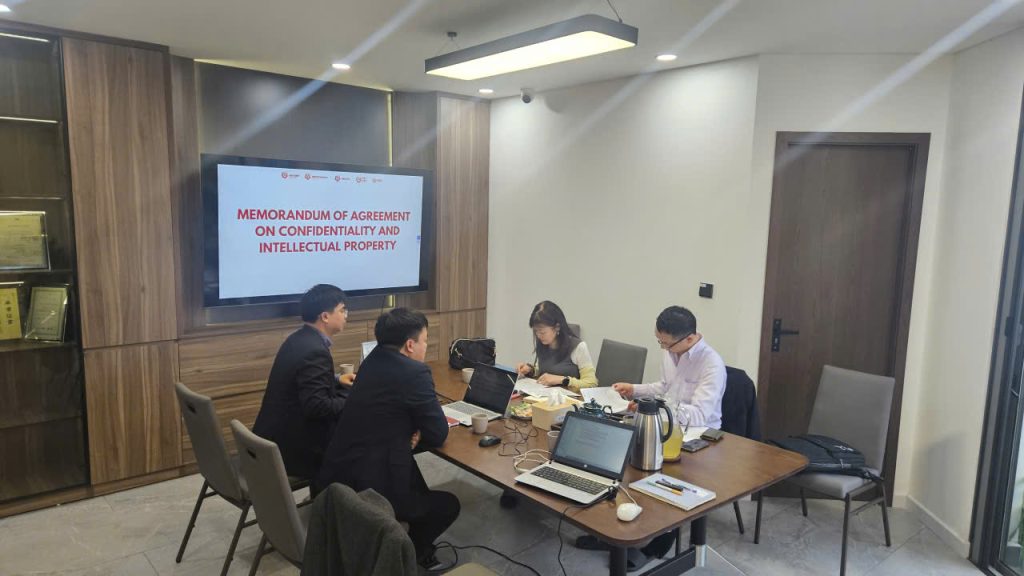
Concluding the first working day, the foundational bricks for a fair intellectual cooperation mechanism were laid down, preparing for the following days when this academic theory would be practically proven at the manufacturing workshops of Vietnamese enterprises.
WINDTECH VIETNAM BREAKS THROUGH THE GLASS CEILING OF THINKING, ESTABLISHING A VALUE CREATING PARTNER POSITION IN THE GLOBAL SUPPLY CHAIN
All great management theories need to be proven by the breath of reality. Stepping into the second day, Professor Hironaka Chikako and Professor Toyama Kyoji were present at the factory of Windtech Vietnam Technology Joint Stock Company. Welcoming the Japanese scholars here was not simply a regular factory tour, but a strong affirmation of a new position, that Vietnamese enterprises can completely master the global game when possessing the right management “Gene System”
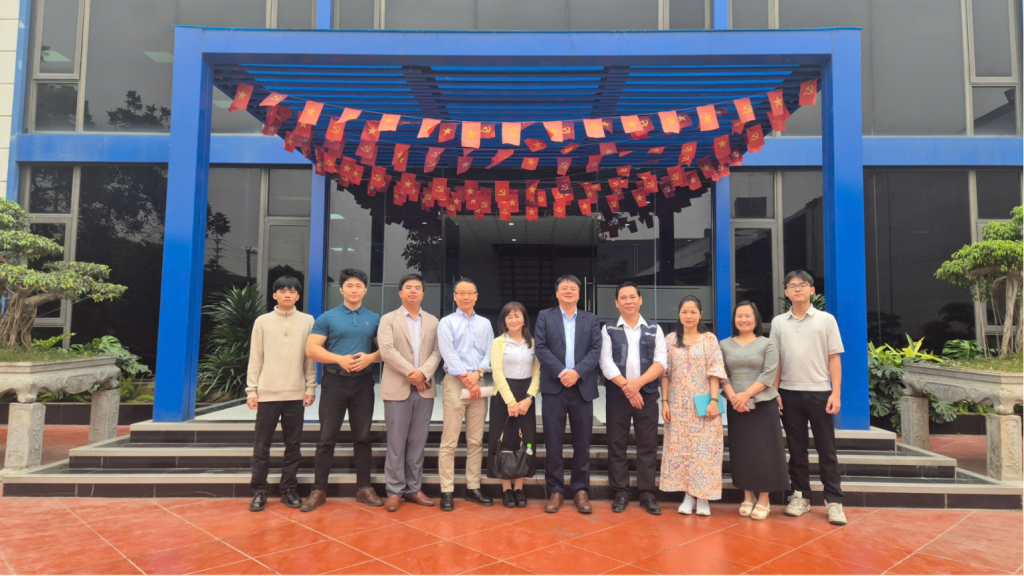
Pivoting position from outsourcing to creating
When observing the growth indicators and execution capacity at the site, the international guests witnessed a spectacular pivot on the supply map. For many years, a common prejudice assumed that Vietnamese mechanical enterprises could only survive in the “outsourcing trap,” depending on “begging” for orders from large corporations. However, Windtech has gradually broken those limitations
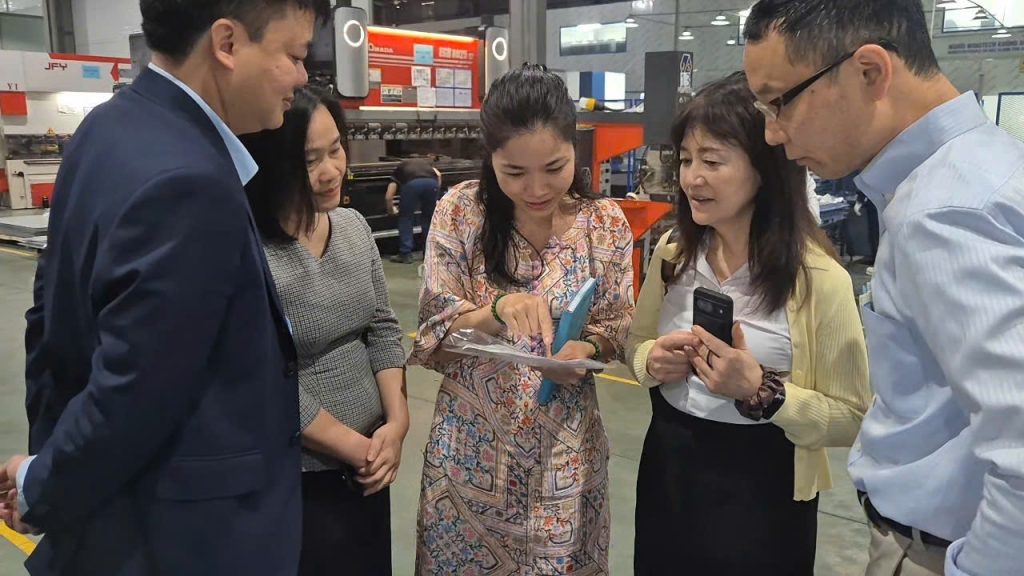
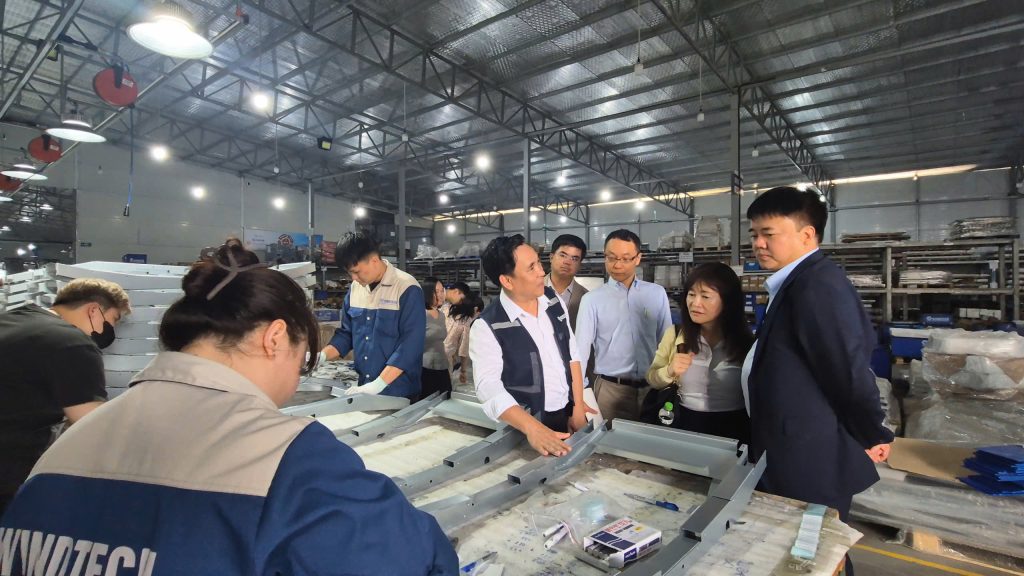
Thanks to the synchronous application of The MIV Finest Management Technology, this enterprise is gradually rising from an outsourcing unit to become a true “Value Creating” partner. Outstanding execution capacity and system stability have forced international partners to change their perspective, from imposing the rules of the game to proactively seeking cooperation in a spirit of respect and fairness. This is clear evidence that, with a sufficiently strong management foundation, Vietnamese enterprises can reposition themselves in the global supply chain.
Decoding the paradox of ordinary resources creating extraordinary results
One of the points that impressed the Japanese professors the most at Windtech was how this enterprise solved the human resources problem. In the global management world, there is an implicit prejudice: to make 5 star standard products, organizations must recruit a 5 star workforce at extremely high costs
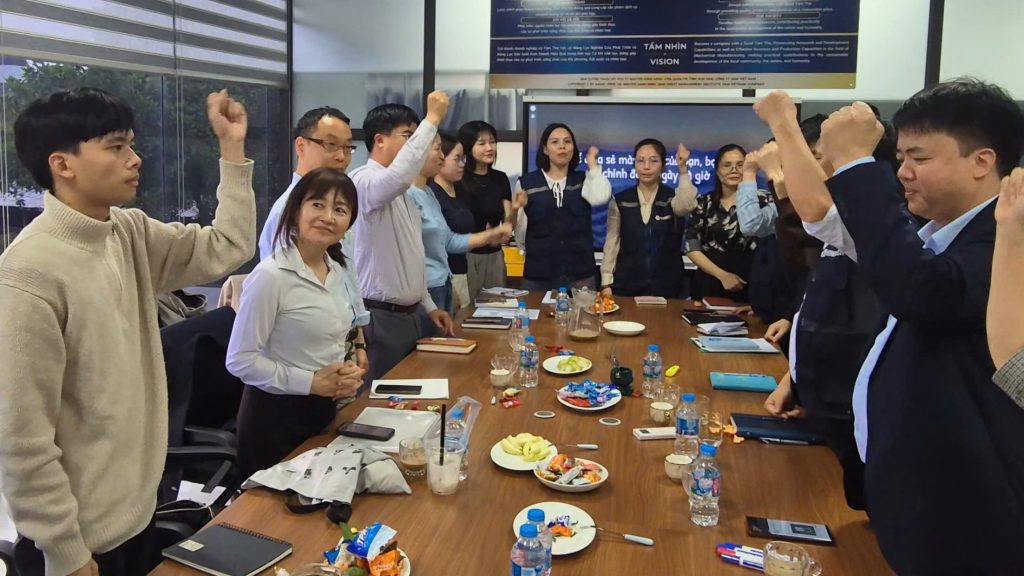
However, Windtech proved a proud paradox of Vietnamese intellect. By applying The GKM Gene System, they did not choose to massively overhaul personnel, but chose to “humanize the capacity” of the current workers themselves. CEO Dang Anh Dung shared that this process does not lie in imposing mechanical control tools, but in installing a completely new “thinking operating system” for the business. When every worker deeply understands the value of the work they do, they automatically upgrade themselves, turning ordinary resources into extraordinary results. The change takes place comprehensively from thinking, communication language to system operating behavior
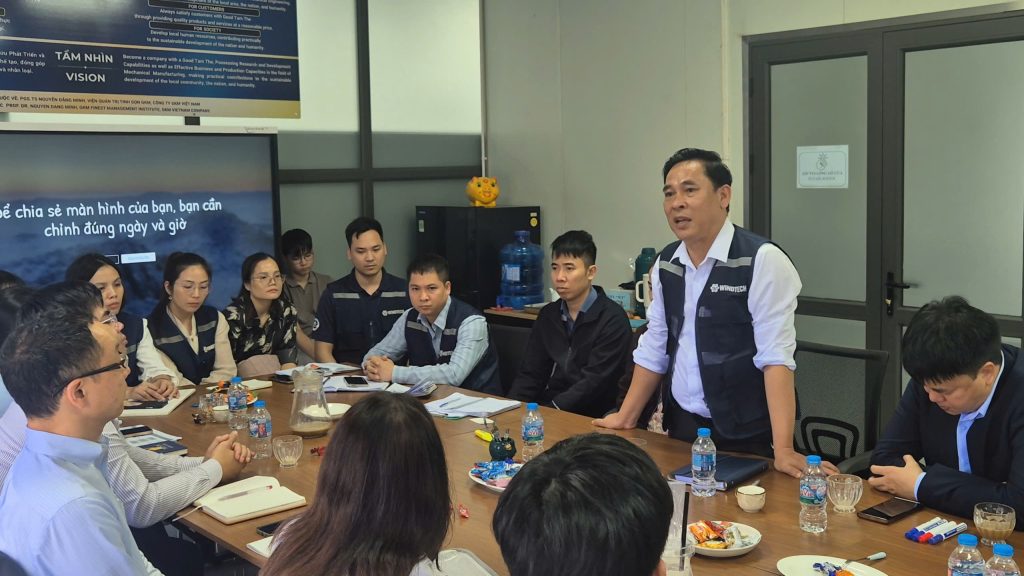
Closing the second working day, the message left in the eyes of international scholars was very clear that The MIV Finest Management Technology is the “golden key” helping Vietnamese enterprises confidently develop with their own internal strength, breaking all limits to proudly reach the international level.
AT AMECC, THE “TAM THE” SOLUTION FOR THE HEAVY INDUSTRY PROBLEM AND RECOGNITION FROM JAPANESE SCHOLARS
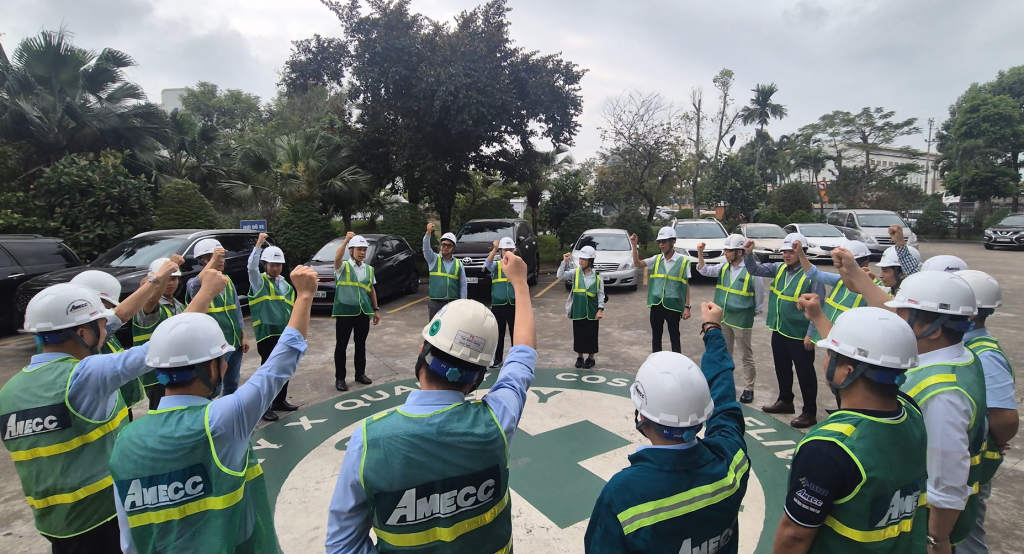
If Windtech’s flexibility provided inspiring perspectives, the massive scale of heavy industry poses management problems of a completely different magnitude. On the third day of the practical journey, Professor Hironaka Chikako and Professor Toyama Kyoji arrived at AMECC Mechanical Construction JSC, one of the key MBV enterprises in Vietnam’s mechanical manufacturing and steel structure industry.
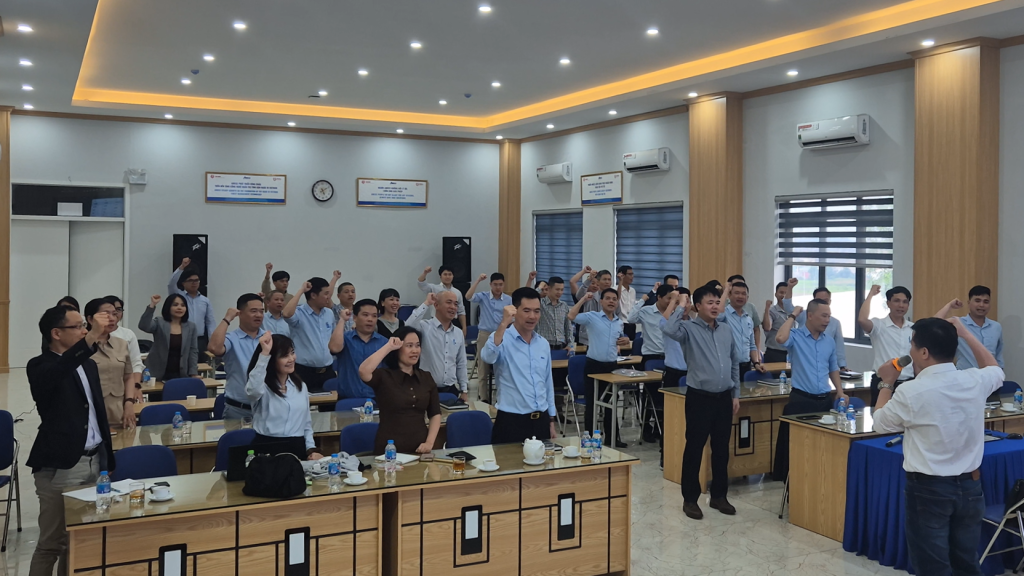
Here, the Japanese scholars did not just observe giant machines or thousands of ton steel blocks, but they came to witness how a “thinking operating system” can control and connect a massive human apparatus working under extremely harsh schedule pressures.
From slogan to strict measurement standard of Synergy (Hợp lực)
With a production target of up to 6,000 tons and an ambition to reach 10,000 tons per month, AMECC faces classic problems of large corporations. As pressure mounts, conflicts over factory space or progress between stages easily erupt, preventing industrial machines, no matter how modern, from maximizing their capacity
At the site, General Director Nguyen Van Tho presented a landmark conclusion on the cognitive change of AMECC’s team when applying The MIV Finest Management Technology. He borrowed the deeply cultural Vietnamese story of “Luu Binh and Duong Le” to illustrate the pinnacle of sacrifice and proactive support (“bọc lót”) for common goals.
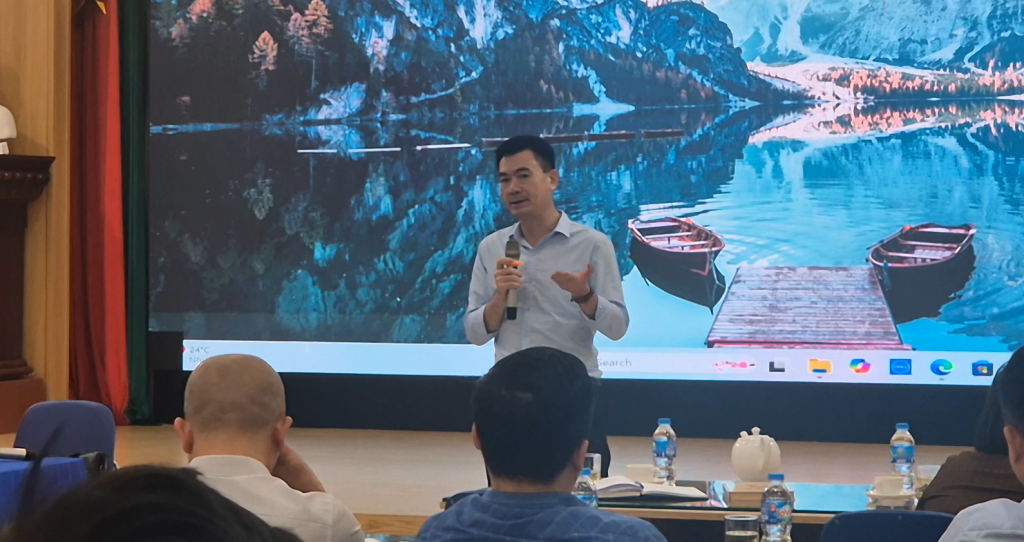
He affirmed that to solve large scale problems, the word “HỢP” (synergy, cooperation) cannot stop at encouragement or sentiment, but must become a mandatory standard in the Five Standards (Ngũ Chuẩn) system. When each manager knows to take a step back, self reflect on their capacity to yield favorable parts to colleagues to complete tasks, the figure of 6,000 tons becomes incredibly light, creating momentum for greater goals
Decoding the “Black Box” from Japanese scholars
Witnessing firsthand the Tam The and deep understanding of AMECC’s management team, the international guests went from surprise to admiration. Professor Toyama Kyoji, an expert intimately familiar with the Toyota Production System (TPS), made a historic remark.
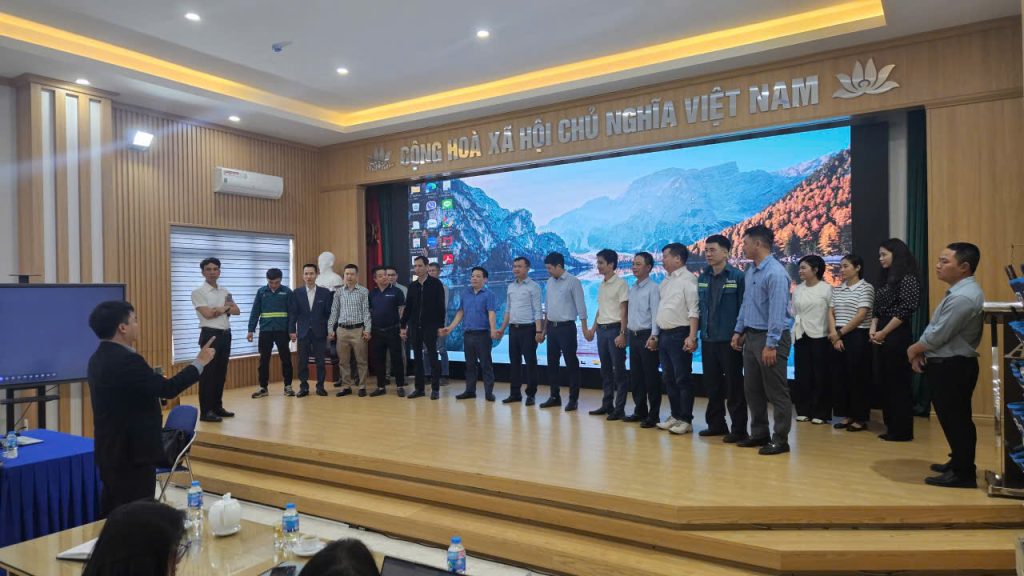
He sincerely shared that the world often only knows TPS through the surface like “Just in time” or “Jidoka,” but constantly fails when trying to copy this model. The reason is that they lack an extremely important “black box”: The system of education and human transformation. Facing GKM’s achievements, Professor Toyama affirmed: “Assoc. Prof. Dr. Nguyen Dang Minh has successfully created a new management system originating from Vietnam to completely solve that problem. This is a great opportunity for the world to learn from Vietnamese enterprises“
Agreeing with that view, Professor Hironaka Chikako expressed emotion at how AMECC managers used their own language and practical experiences to talk about the company. She sent a proud message to the AMECC team: “This management technology was born in Vietnam, and you have the right to be proud of it… I strongly believe that if you persistently practice Tam The every day, not only at work but also in your families, AMECC will rise to become the number 1 enterprise in the field”
Closing the third day of verification, the power of The MIV Finest Management Technology was once again affirmed at an international level. It is not only a launchpad helping Vietnamese heavy industry enterprises break capacity limits, but also proudly establishes the position of a management philosophy of human scale, convincing enough for the world’s strictest management cradles.
ONSITE VERIFICATION AT BAO MINH AND THE PROACTIVE SUPPORT (“BỌC LÓT”) POWER OF THE FIVE SUB COMMITTEES
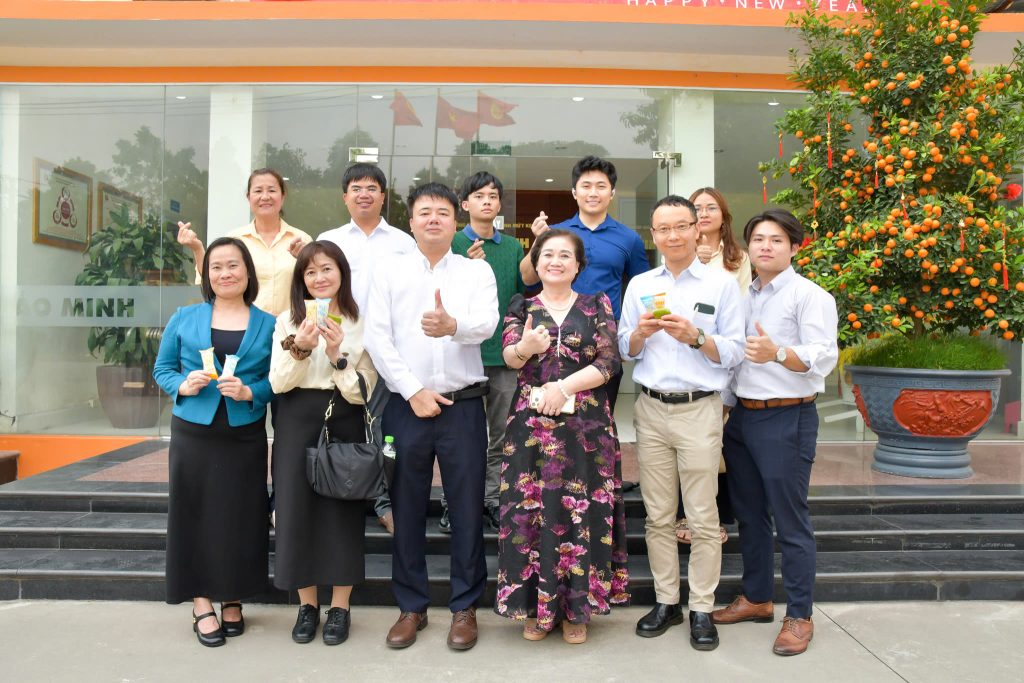
If AMECC is an epic song of the Tam The journey in heavy industry, the destination on the fourth day, Bao Minh Confectionery JSC, opens a profound lens into the intersection between cultural heritage and The MIV Finest Management Technology.
Proven numbers breaking all limits
At the very production review meeting attended by Japanese Professors, the reported figures became the most valuable evidence. Defying the difficult economic climate, Bao Minh recorded a record low return rate for the Tet season at only 1.59%, a figure that few businesses in the same industry would ever dare to imagine. Even more astonishing, the labor productivity (VPE index) of the traditional product group increased by 7%, yet total overtime hours decreased by 16% and indirect working hours dropped by 22.3%.
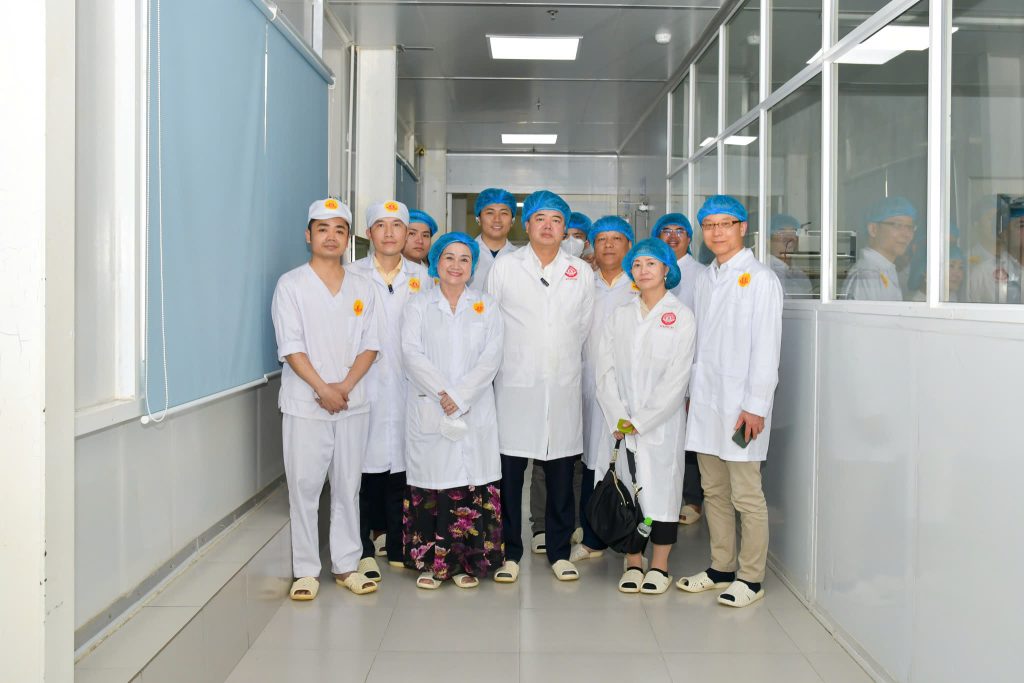
That is the result of eliminating waste, where departments no longer blame each other as before, but operate in perfect harmony. Under the leadership of Production Director Mai Dinh Luc, in only 3 days, the R&D and Production teams joined forces to improve and create nearly 20 new product types (with reduced sweetness and better taste) without failing a single batch.
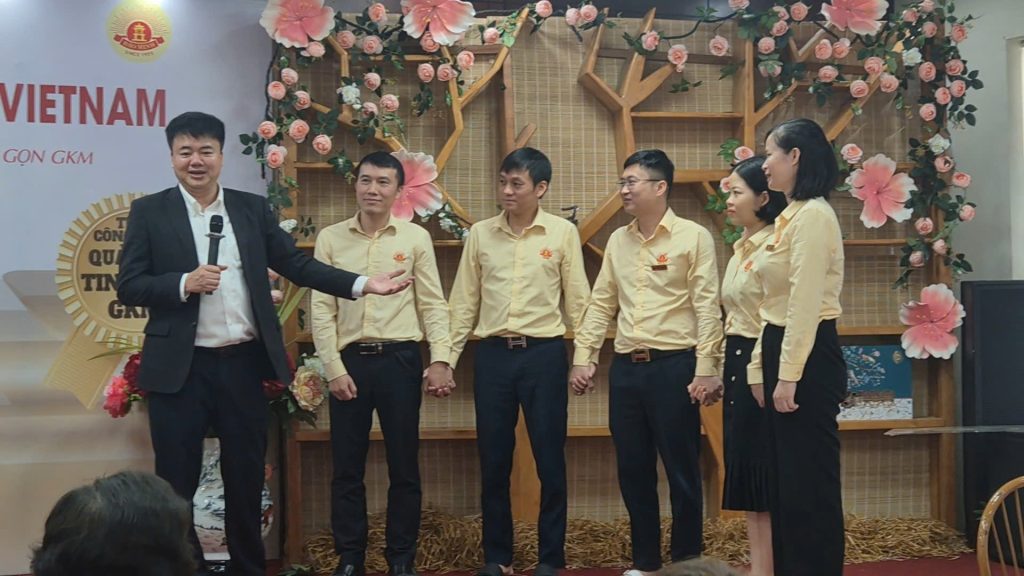
Dr. Minh emphasized that to create a finest product, the five subcommittees (Sales, Production, R&D, Human Resources, Supply Chain) are like five fingers on one hand, none more important than another. When Production faces difficulties with OEM materials, it is not the time to blame, but the time for Sales to act as an ambassador, bringing market signals back to provide cover for R&D and Production. Everyone must wrap around each other like lotus leaves to elevate the company to a new level.
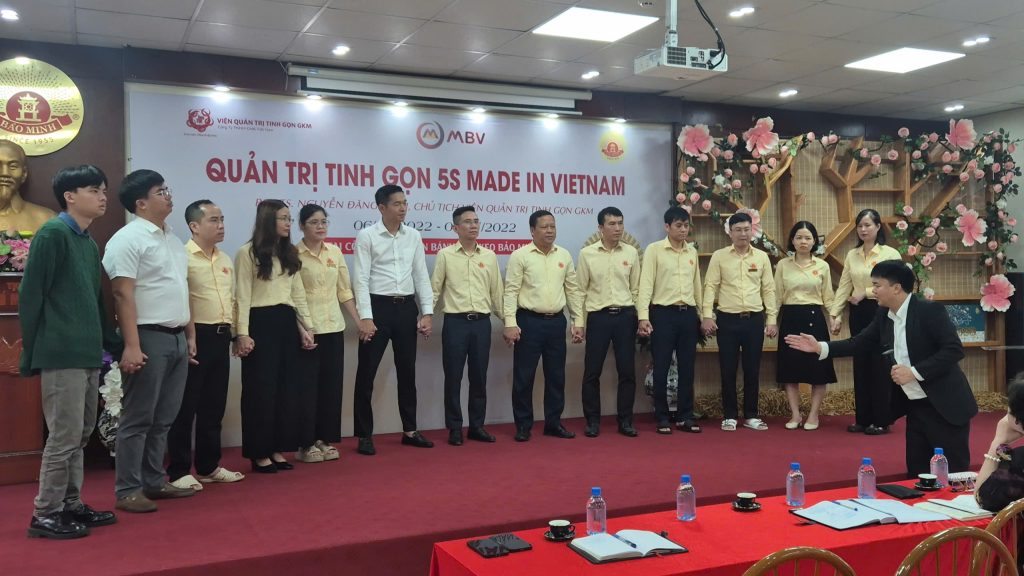
At the same time, everything must be guided by the positive energy of “Tam The” which is expressed every day and is never just for compliance. This mutual support serves as the launchpad for Bao Minh to confidently implement the culinary heritage project, elevating Banh Com from a simple local gift into a global heritage.
Gemba Discipline
The transformation of Bao Minh lies not only in the figures, but in the steel discipline saturated with Tam The at the Gemba. Facing the Japanese guests, Production Director Mai Dinh Luc shared a piece of empirical evidence. Eliminating the formal KPI evaluation at the end of the month, Bao Minh requires team leaders to evaluate the overall competency of each worker every day.
Furthermore, before starting a shift, the entire production line does not rush to turn on the machines. Instead, they must stand together to perform the ritual of ‘skill review’. Only when they can ‘speak it out’ does the knowledge truly soak into their internal memory, transforming a passive manual laborer into a manager who masters the process.
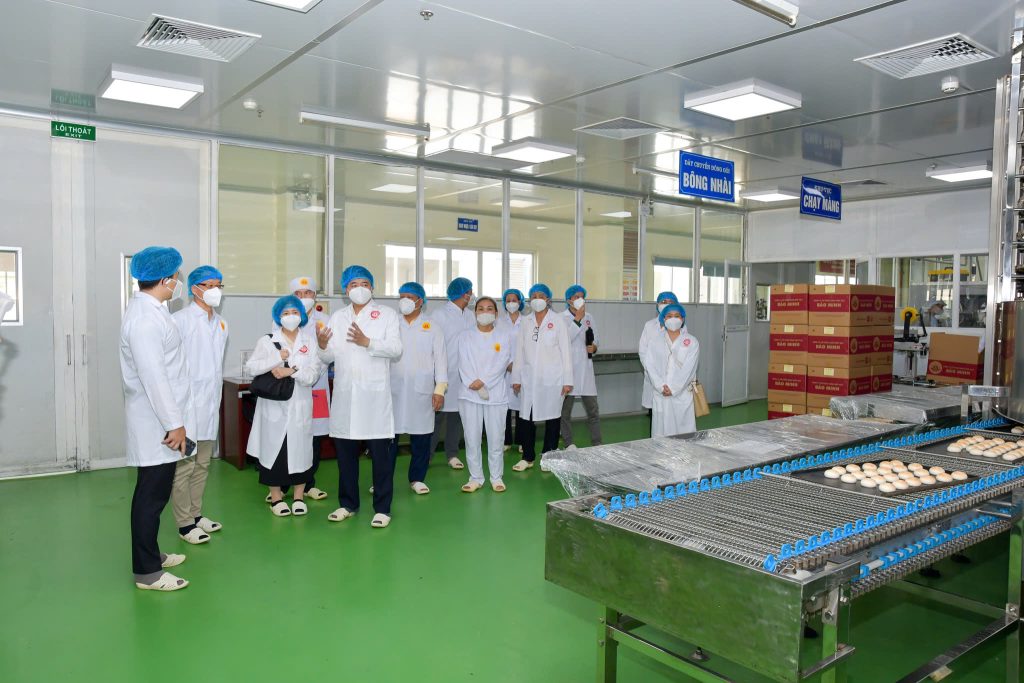
“All production lines must stand together to review the technological process before starting… everyone must ‘speak quickly’ about the process at their own designated position. You must know it by heart! Only when you can speak it out does it truly soak in and stay in your internal memory. From there, you can elevate your elite professional competency.” — Production Director Mai Dinh Luc.
Despite initially encountering resistance and old habits, with the “Steadfastness” of leaders carrying the GKM Gene System, those oppositions completely transformed into a spirit of ‘proactive support’ (bọc lót), where departments no longer blame each other, but sincerely appreciate the strictest feedback to co create perfect batches of cakes
Admiration from the cradle of Japanese management
Witnessing the smooth operating system from production, wholesale to retail, Professor Toyama Kyoji (Rikkyo University) expressed deep impression. The veteran Japanese expert affirmed that the core point creating Bao Minh’s strength and sustainable business structure is their understanding and successful implementation of GKM’s Tam The philosophy into reality (according to Prof. Toyama Kyoji)
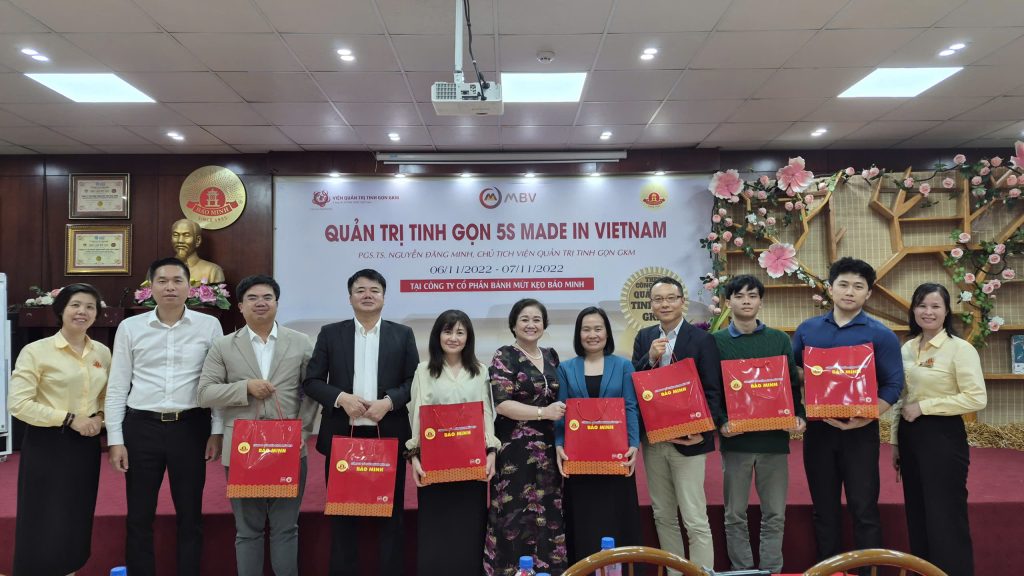
Closing the fourth day, the message is strongly affirmed: When purely Vietnamese management knowledge is thoroughly applied, traditional enterprises can completely transform, confidently preserving culture and creating “National Products” capable of equal dialogue in the international arena
“This is my second time visiting and working at Bao Minh Company. Compared to my visit about 6 months ago, I am truly amazed at the rapid change of the company.” Prof. Hironaka Chikako
[TO BE CONTINUED]